
A sexual health check screens for sexually transmissible infections (STIs) and reviews your overall sexual and reproductive wellbeing. Many STIs, including chlamydia, cause no symptoms, so testing is the only reliable way to know. It's usually a simple self-collected swab or urine sample, sometimes with a blood test, and most common infections are easily treated.
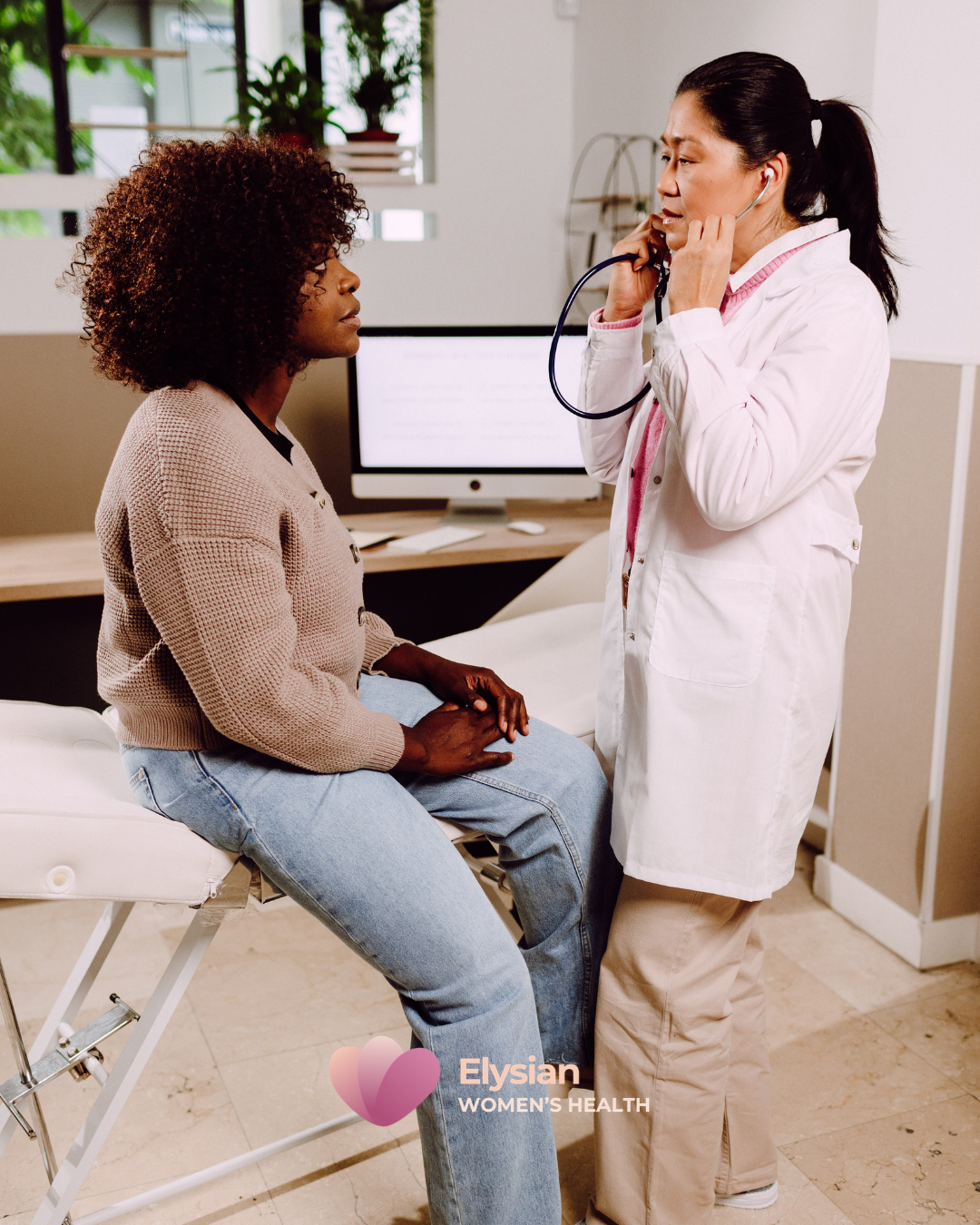
A sexual health check is routine preventive care, in the same category as a blood pressure check or cervical screening. It isn't a judgement, and it isn't only for people with symptoms.
Why test if you feel fine?
Because most infections are silent. Chlamydia and gonorrhoea often cause no symptoms in women, yet untreated they can lead to pelvic inflammatory disease, chronic pelvic pain, blocked fallopian tubes, ectopic pregnancy and difficulty conceiving. Syphilis has also been rising in Australia, including among women of reproductive age, and can affect a pregnancy if undetected.
When to have a check
Once a year if you're under 30 and sexually active
When you start a relationship with a new partner
After sex without a condom, or if a condom broke
If a partner tells you they have an STI
Before trying to conceive, and early in pregnancy
What's tested, and how
Chlamydia and gonorrhoea: a self-collected vaginal swab or urine sample
HIV, syphilis and hepatitis B and C: a blood test, based on your history
Other infections: swabs when there are symptoms
An internal examination isn't always needed, and is only done with your consent.
Cervical screening is separate
Cervical screening looks for HPV that can cause cervical cell changes and is recommended every five years from age 25, with self-collection available for many people. A sexual health check looks for other infections. It's often convenient to arrange both at the same visit.
If a result is positive
Most common bacterial infections, including chlamydia, gonorrhoea and syphilis, are curable with antibiotics. Your GP will explain treatment, advise when it's safe to have sex again and help you notify recent partners. A repeat test a few months later confirms the infection has cleared. Viral infections like herpes and HPV aren't cured but are very manageable.
Book sooner if you notice
Unusual discharge or odour
Pain with sex or when passing urine
Bleeding between periods or after sex
Sores, lumps or itching in the genital area
Looking after your sexual health
Condoms with new or casual partners, regular testing after a change of partner and asking about HPV and hepatitis B vaccination all help protect you.
Frequently asked questions
-
If you're under 30 and sexually active, an annual chlamydia and gonorrhoea test is recommended. Anyone should test with a new partner, after unprotected sex or if symptoms appear.
-
Often not. Chlamydia and gonorrhoea can be tested with a self-collected swab or urine sample, and blood tests cover infections such as HIV and syphilis.
-
Untreated chlamydia and gonorrhoea can lead to pelvic inflammatory disease and damage to the fallopian tubes, which can affect fertility. Early testing and treatment greatly reduces that risk.
Book an appointment now
elysianwomenshealth.com.au
1300 124 333
No referral needed for an initial assessment
