

Blog
Explore expert insights, practical tips, and the latest updates from Elysian Women’s Health.
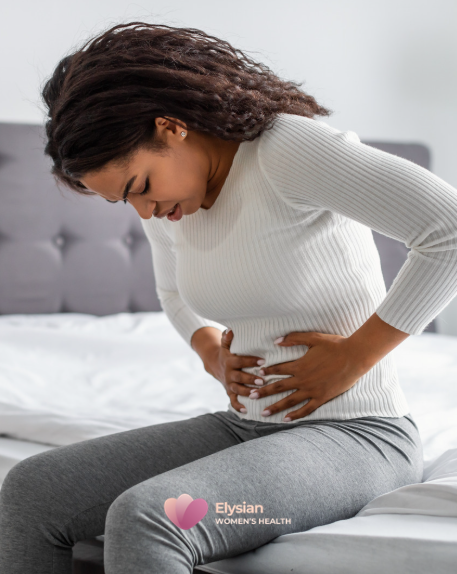
Ovarian cysts — which are normal, which need monitoring, and when to seek review
An ovarian cyst finding on ultrasound can sound alarming, but for most people it's a normal, temporary part of how the ovaries work each month. Understanding what different types of cysts mean — and which symptoms matter — takes away a lot of unnecessary worry.
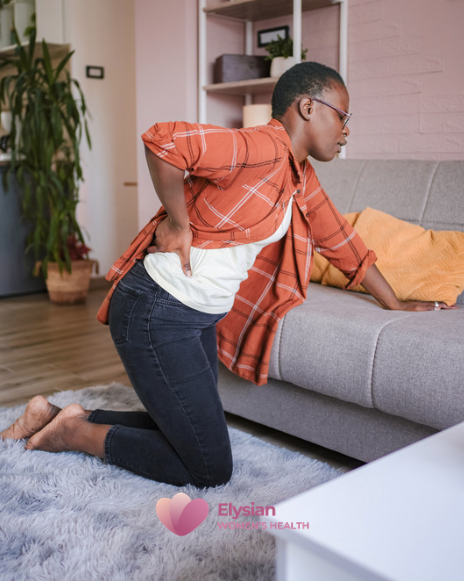
Bone health and osteoporosis risk after menopause
Bone loss doesn't announce itself the way hot flushes do. It happens quietly, which is exactly why midlife is the right time to think about it deliberately rather than waiting for a fracture to raise the alarm.
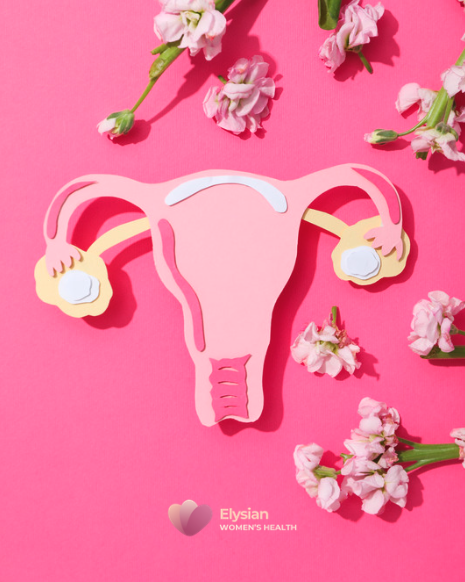
Recurrent vaginal thrush and vaginal health: what's normal, what's not
The occasional bout of thrush is common enough that most people will experience it at some point. When it keeps coming back, though, it stops being a one-off nuisance and starts being worth understanding properly — both to treat it effectively and to rule out anything that only looks like thrush.

Miscarriage and early pregnancy loss: what to know, and where to find support
Miscarriage is common, and still spoken about far less than its frequency deserves. Many people carry it privately, and many blame themselves for something that was, in the vast majority of cases, entirely outside their control. Good care includes clear medical information and space for how you're feeling.
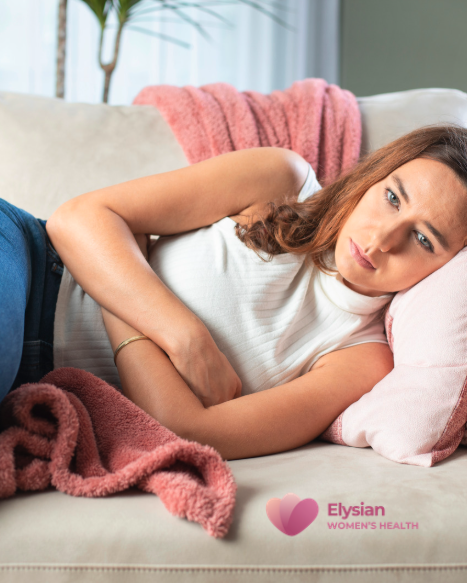
PMDD explained: when premenstrual symptoms are more than “just PMS”
For some people, the days before a period bring more than irritability or bloating — they bring a mood shift severe enough to affect work, relationships and daily functioning. When that pattern repeats month after month, it may be PMDD rather than “bad PMS”, and it deserves the same clinical attention as any other health condition.
Uterine fibroids: symptoms, diagnosis and treatment options
Fibroids are one of the most common gynaecological findings, yet many women first hear the word during an ultrasound for something else entirely. Understanding what they are — and what they are not — helps take the uncertainty out of a diagnosis.

Postnatal recovery — what your body needs after birth
The advice after birth is often about the baby. What happens to your body — the healing, the fatigue, the bladder that doesn't feel the same — gets far less airtime. Recovery deserves its own plan, not an afterthought squeezed into a baby's appointment.
Urinary incontinence in women: you're not alone, and it's treatable
Urinary incontinence is the involuntary leakage of urine, from occasional leaks with coughing or exercise to a frequent, urgent need to go. It affects a large proportion of Australian women, particularly after childbirth and around menopause, and it is significantly under-reported. Most people improve with non-surgical treatment.
PCOS (now PMOS) — a clear guide to diagnosis and management
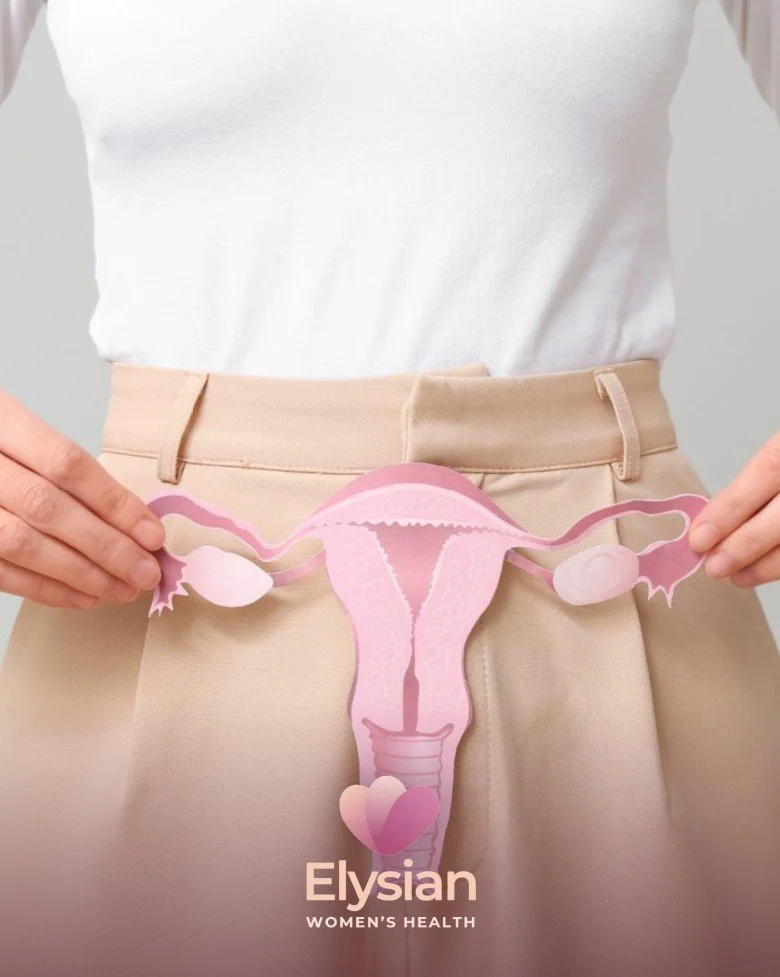
Polyendocrine Metabolic Ovarian Syndrome (PMOS), formerly Polycystic Ovary Syndrome (PCOS), is a common hormonal condition affecting ovulation, estimated to affect 8–13% of women of reproductive age. It is diagnosed against established clinical criteria: irregular cycles, signs of higher androgen levels, and ultrasound findings. PMOS is manageable, and management is tailored to your symptoms and goals.
Perimenopause and menopause: a complete guide
Perimenopause is the transition as ovarian hormone production declines; menopause is confirmed twelve months after your final period. The average age of menopause in Australia is around 51, and perimenopause can last several years. Symptoms are real and hormonally driven, and effective management is available.
Endometriosis explained: symptoms, diagnosis and what helps
Endometriosis is a chronic condition in which tissue similar to the lining of the uterus grows outside it, causing pain and sometimes fertility difficulties. Common symptoms are severe period pain, pelvic pain, pain during or after sex, heavy bleeding, bowel or bladder symptoms and fatigue. It affects roughly one in seven Australian women by their mid-40s.
Preparing for pregnancy: a preconception guide
Preconception care is the health preparation you do in the three to six months before trying to conceive. It covers a pre-pregnancy check with your GP, folate and iodine, immunisation and screening status, cycle awareness, and review of existing conditions and medicines.
What does a women's health GP actually do?
Many women know the experience of running out of time before asking the real questions about their health. Women's health care is built for those conversations and women’s health GP is qualified to listen and help.
Breast Cancer Awareness Month — Together, We Illuminate Hope
October is Breast Cancer Awareness Month in Australia — a special time to unite in raising visibility, support, and understanding around a disease that touches so many lives.

Everything You Need to Know About Irritable Bowel Syndrome (IBS) in Women
Irritable Bowel Syndrome (IBS) is a common gastrointestinal disorder that affects a large portion of the population, with women being particularly susceptible. In fact, women are up to twice as likely as men to be diagnosed with IBS.
Although the condition shares common symptoms across both sexes, the way it presents and its impact on women is unique due to hormonal and physiological differences. This article will explore everything you need to know about IBS in women, from symptoms and causes to treatment options and managing flare-ups.

Transforming Lives with our Pelvic Pain and Endometriosis Clinic
A significant milestone was reached on January 18, as Medical Super Clinic Benowa officially opened its Pelvic Pain and Endometriosis Clinic on the Gold Coast. The esteemed ceremony was presided over by Hon Ged Kearney MP, Assistant Minister for Health and Aged Care, marking a momentous step in the clinic’s commitment to providing specialised care for those grappling with these conditions.

How Is Endometriosis Diagnosed? A Comprehensive Guide to Getting Answers
Endometriosis is a complex condition that often takes years to diagnose, leaving many women in pain and uncertainty. Since its symptoms overlap with other medical conditions, understanding how endometriosis is diagnosed is essential for getting the right treatment. If you suspect you have endometriosis, here’s everything you need to know about the diagnostic process.
Everything You Need to Know About Crohn's Disease in Women
Crohn's disease is a chronic inflammatory bowel disease (IBD) that can affect any part of the gastrointestinal (GI) tract, causing symptoms that can vary in severity from person to person. While the disease affects both men and women, women may face unique challenges related to their reproductive health, menstruation, and pregnancy. Understanding how Crohn’s disease manifests and is managed in women can lead to better treatment outcomes and improved quality of life.