
Bone health and osteoporosis risk after menopause
Bone density falls more quickly in the years around menopause as oestrogen declines, raising the risk of osteopenia and osteoporosis. A bone density scan, alongside a review of individual risk factors, helps identify who needs closer monitoring or treatment. Nutrition, resistance exercise and, for some, medication all play a role in protecting bone health.
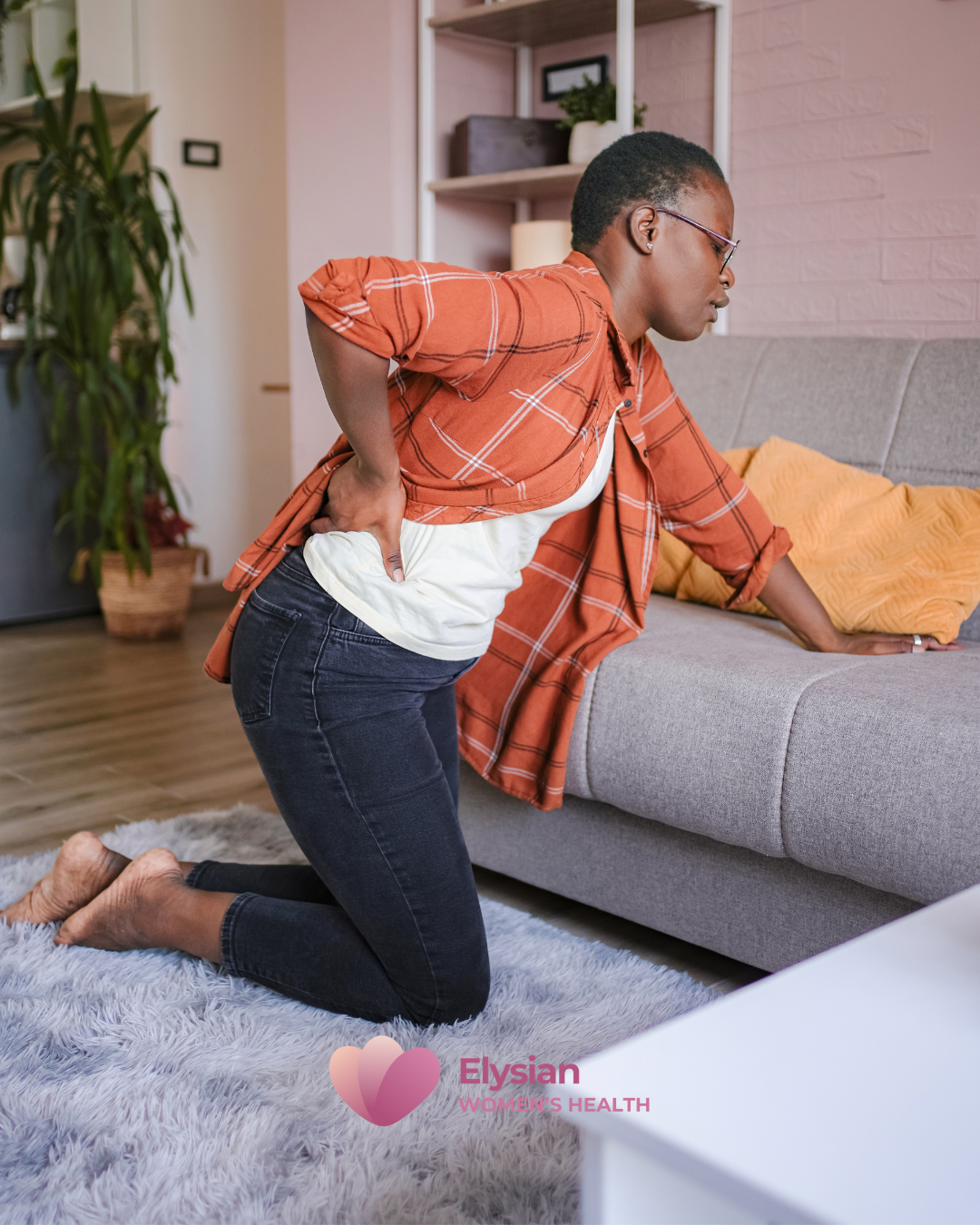
Bone loss doesn't announce itself the way hot flushes do. It happens quietly, which is exactly why midlife is the right time to think about it deliberately rather than waiting for a fracture to raise the alarm.
Why and how menopause affects bone health
Oestrogen plays a protective role in maintaining bone density, and its decline around menopause is linked to a faster rate of bone loss — most pronounced in the first five to ten years after your final period. Left unaddressed, this can progress from osteopenia (lower than normal bone density) to osteoporosis (bone density low enough to significantly increase fracture risk).
Who is at higher risk?
Early or premature menopause (before 45)
Family history of osteoporosis or hip fracture
Low body weight
Smoking and higher alcohol intake
Long-term corticosteroid use
Certain other medical conditions affecting bone or hormone levels
Limited weight-bearing exercise across life
Low calcium or vitamin D intake
The signs of osteoporosis
Osteoporosis is often silent until a fracture occurs, sometimes from a fall that wouldn't normally cause a break, or a loss of height over time. This is why risk assessment, rather than waiting for symptoms, is the main way it's picked up early.
How is bone health assessed?
A bone density scan (DEXA) measures bone mineral density, usually at the hip and spine, and is the main tool for diagnosing osteopenia and osteoporosis. Your risk factors, family history and, where relevant, blood tests for calcium, vitamin D and thyroid function help build a complete picture alongside the scan.
How to protect your bone health
Weight-bearing and resistance exercise — one of the most effective, modifiable protections, ideally several times a week
Adequate calcium — through diet, or supplements where intake is low
Vitamin D — from safe sun exposure, diet or supplementation, particularly important given many Australians are deficient
Reducing smoking and alcohol — both accelerate bone loss
Menopausal hormone therapy — protects bone density for many people, as one benefit among several, and is discussed individually
Medication — for those at higher risk or with confirmed osteoporosis, specific bone-protective treatments may be recommended
When should you have a bone density scan?
Guidelines generally recommend consideration around the time of menopause for those with risk factors, and more routinely from the mid-60s onward. Earlier assessment is worthwhile with early menopause, a strong family history, or other risk factors present.
When should you see a doctor?
Raise bone health at your midlife health check, particularly around the time of menopause, or sooner if you have risk factors, have had a fracture from a minor fall, or have noticed a loss of height.
Frequently asked questions
-
Oestrogen helps maintain bone density, and its decline after menopause is linked to faster bone loss, particularly in the first five to ten years after your final period. This raises the risk of osteopenia and osteoporosis.
-
Osteoporosis is diagnosed with a bone density scan (DEXA), which measures bone mineral density at the hip and spine. Risk factors and blood tests may also be considered. Book an assessment at elysianwomenshealth.com.au.
-
Weight-bearing exercise, adequate calcium and vitamin D, reducing smoking and alcohol, and menopausal hormone therapy for some people can all help protect bone density. Medication is available for those at higher risk.
Book an appointment now
elysianwomenshealth.com.au
1300 124 333
No referral needed for an initial assessment
