

Blog
Explore expert insights, practical tips, and the latest updates from Elysian Women’s Health.

Postnatal recovery — what your body needs after birth
The advice after birth is often about the baby. What happens to your body — the healing, the fatigue, the bladder that doesn't feel the same — gets far less airtime. Recovery deserves its own plan, not an afterthought squeezed into a baby's appointment.
Urinary incontinence in women: you're not alone, and it's treatable
Urinary incontinence is the involuntary leakage of urine, from occasional leaks with coughing or exercise to a frequent, urgent need to go. It affects a large proportion of Australian women, particularly after childbirth and around menopause, and it is significantly under-reported. Most people improve with non-surgical treatment.
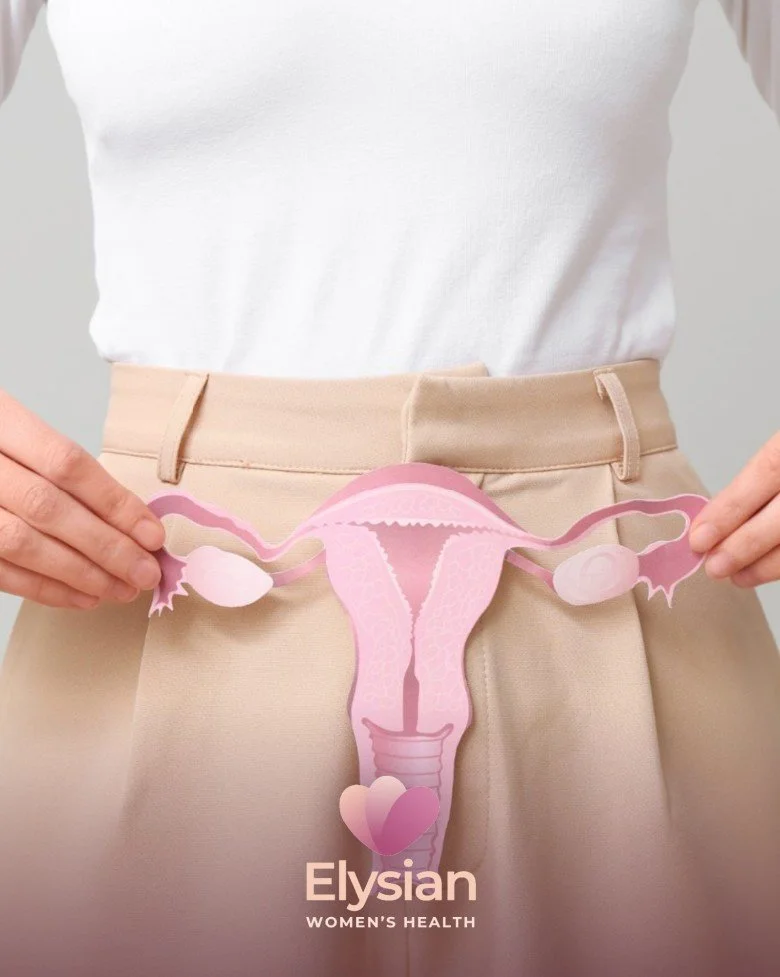
PCOS (now PMOS) — a clear guide to diagnosis and management
Polyendocrine Metabolic Ovarian Syndrome (PMOS), formerly Polycystic Ovary Syndrome (PCOS), is a common hormonal condition affecting ovulation, estimated to affect 8–13% of women of reproductive age. It is diagnosed against established clinical criteria: irregular cycles, signs of higher androgen levels, and ultrasound findings. PMOS is manageable, and management is tailored to your symptoms and goals.
Perimenopause and menopause: a complete guide
Perimenopause is the transition as ovarian hormone production declines; menopause is confirmed twelve months after your final period. The average age of menopause in Australia is around 51, and perimenopause can last several years. Symptoms are real and hormonally driven, and effective management is available.
Endometriosis explained: symptoms, diagnosis and what helps
Endometriosis is a chronic condition in which tissue similar to the lining of the uterus grows outside it, causing pain and sometimes fertility difficulties. Common symptoms are severe period pain, pelvic pain, pain during or after sex, heavy bleeding, bowel or bladder symptoms and fatigue. It affects roughly one in seven Australian women by their mid-40s.
Preparing for pregnancy: a preconception guide
Preconception care is the health preparation you do in the three to six months before trying to conceive. It covers a pre-pregnancy check with your GP, folate and iodine, immunisation and screening status, cycle awareness, and review of existing conditions and medicines.
What does a women's health GP actually do?
Many women know the experience of running out of time before asking the real questions about their health. Women's health care is built for those conversations and women’s health GP is qualified to listen and help.