
The best contraception is the one that is effective, safe for your health and fits your life. Long-acting reversible options (hormonal and copper IUDs and the implant) are the most effective, while pills, patches, rings, injections and condoms suit different needs. Your age, health history, pregnancy plans and any migraine or blood-pressure issues all shape the right choice.
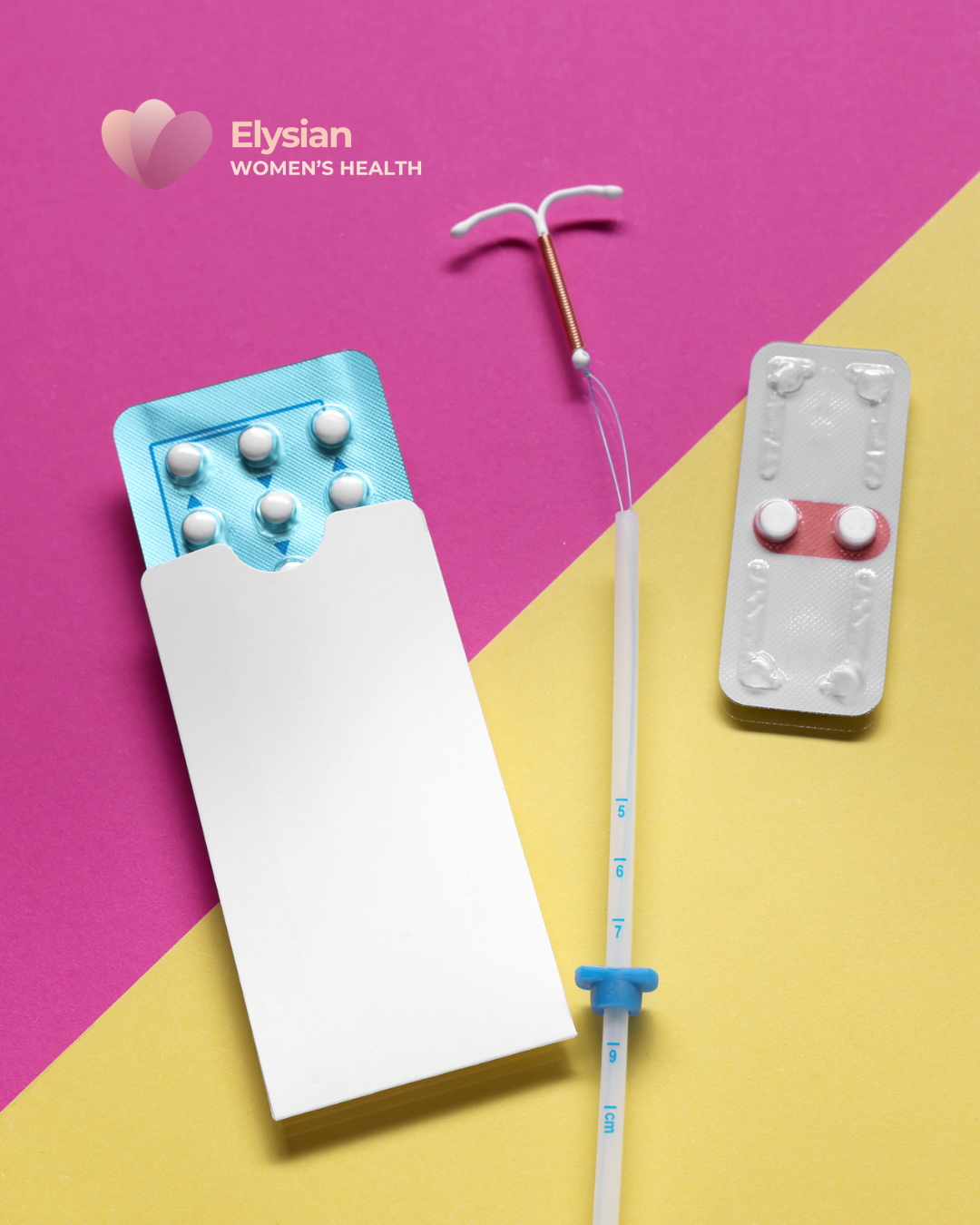
With so many options, choosing contraception can feel overwhelming. There's rarely one right answer, and what suits you now may differ from what suited you five years ago.
The main options
Long-acting reversible contraception: hormonal IUD, copper IUD and the implant, effective for years and reversible when removed
The pill, either combined or progestogen-only, taken daily
Vaginal ring and patch, which don't need daily dosing
A progestogen injection every three months
Condoms, which also protect against STIs
Permanent options: tubal sterilisation or vasectomy
Emergency contraception, which works best the sooner it's used
How effective are they?
Effectiveness is described with perfect use and with typical use, which includes missed pills and late injections. Methods that don't rely on remembering, such as IUDs and the implant, perform best in everyday life. Pills, patches and rings are highly effective when used consistently, and condoms and fertility-awareness methods have higher typical failure rates.
What to consider
Whether you want to prevent pregnancy for a short time, many years or permanently
How you feel about periods, as some methods lighten or stop them
Heavy or painful periods, endometriosis, PCOS or acne, which some methods also help
Migraine with aura, high blood pressure, clotting history or smoking, which can rule out oestrogencontaining methods
Whether you need protection from STIs
What suits different life stages
Teens and early twenties: most methods are safe, with condoms recommended alongside
After a baby: progestogen-only methods and IUDs are generally suitable while breastfeeding
Planning a pregnancy: methods that are easy to stop, such as the pill or an IUD
Forties and perimenopause: options that also settle heavy bleeding, such as a hormonal IUD
Contraception is generally continued until two years after your final period if you're under 50, or one year if you're over 50.
Side effects
Some people notice changes in bleeding, mood or skin in the first few months. Most settle, and if they don't there's almost always an alternative, so it's worth reviewing a method that isn't working.
When to see a GP
You want to start or change contraception
Side effects are bothering you
You've had unprotected sex and need emergency contraception
You're unsure what's safe for your health history
Frequently asked questions
-
Long-acting reversible methods (hormonal IUDs, copper IUDs and the implant) are the most effective because they don't rely on daily use, and they're reversible once removed.
-
Yes. No referral is needed for a contraception consultation at Elysian, including IUD and implant insertion and removal.
-
Yes. Pregnancy remains possible until menopause is confirmed, so contraception is generally continued until two years after your final period if you're under 50, or one year if over 50.
Book an appointment now
elysianwomenshealth.com.au
1300 124 333
No referral needed for an initial assessment
