
Pelvic organ prolapse happens when the pelvic floor can't fully support the bladder, uterus or bowel, so an organ drops into the vagina. Common signs are a heavy or dragging feeling and a bulge at the vaginal opening. Many people improve with pelvic-floor physiotherapy or a vaginal pessary, and surgery is only one option. See a GP if symptoms are affecting your day.
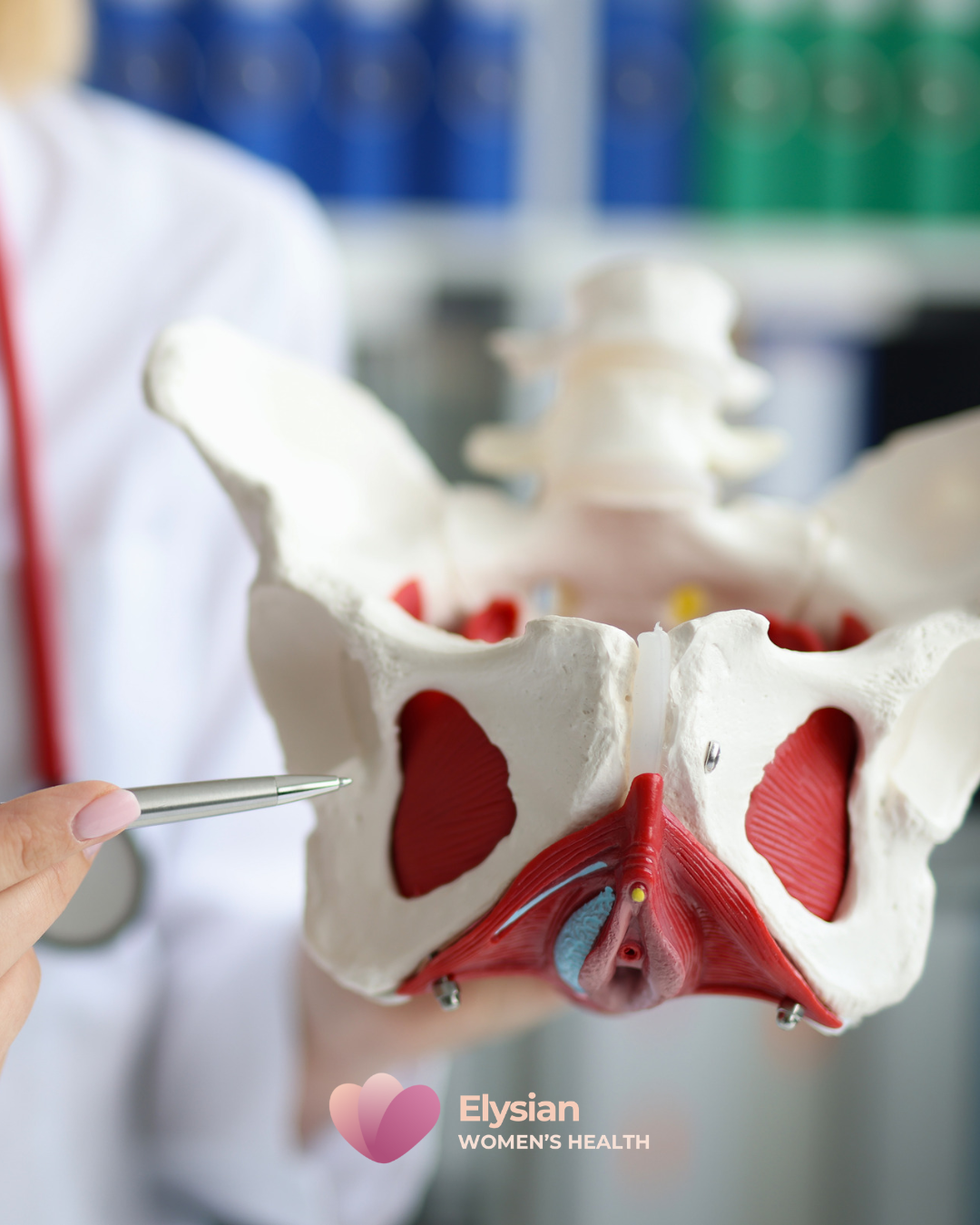
Many women notice a dragging feeling or a bulge and assume it's something they have to live with. Prolapse is common, often manageable without surgery, and easier to treat when it's assessed early.
What prolapse is
The pelvic floor is a sling of muscles and connective tissue that holds the bladder, uterus and bowel in place. When that support weakens or stretches, one or more organs can slip down into the vaginal wall. Mild descent is very common and often causes no symptoms at all.
Common symptoms
A heavy, pulling or dragging feeling in the pelvis, often worse at the end of the day
A bulge or lump felt or seen at the vaginal opening
Leaking, urgency or a feeling the bladder hasn't emptied
Constipation, or needing to press on the vagina to pass a bowel motion
Discomfort during sex
What causes it
Pregnancy and vaginal birth, sometimes years earlier
Lower oestrogen after menopause
Long-term straining from constipation, heavy lifting or chronic cough
Higher body weight and family history
When to see a GP
You can feel or see a bulge
Heaviness is affecting your day or exercise
You're leaking or struggling to empty your bladder or bowel
Sex has become uncomfortable
Seek urgent care if
You can't pass urine
You have severe pain, bleeding or a foul discharge from the bulge
How it's assessed
A pelvic examination, sometimes while you cough or bear down, shows which organs are involved and how far they descend. Your GP will also ask about bladder, bowel and sexual symptoms, as these guide treatment.
Imaging is rarely needed, and an examination is always your choice.
What helps
Pelvic-floor physiotherapy to strengthen and coordinate the muscles
A pessary, a removable silicone support fitted and reviewed by a clinician
Vaginal oestrogen after menopause to improve tissue quality
Treating constipation and persistent cough, and adjusting heavy lifting
Surgery for troublesome symptoms that haven't improved with other care
Protecting your pelvic floor
You can't prevent every case, but you can reduce the load: keep bowels regular, lift with good technique and keep up guided pelvic-floor training after birth and through menopause.
Frequently asked questions
-
Most people describe heaviness or dragging in the pelvis, sometimes with a bulge at the vaginal opening. Symptoms are usually worse after being on your feet and ease when you lie down.
-
Yes. Pelvic-floor physiotherapy, a pessary, vaginal oestrogen and lifestyle changes help many people. Surgery is considered when these haven't been enough.
-
It doesn't usually resolve by itself, but it often doesn't progress either, and symptoms can improve significantly with treatment and pelvic-floor training.
Book an appointment now
elysianwomenshealth.com.au
1300 124 333
No referral needed for an initial assessment
