
PCOS (now PMOS) — a clear guide to diagnosis and management
Polyendocrine Metabolic Ovarian Syndrome (PMOS), formerly Polycystic Ovary Syndrome (PCOS), is a common hormonal condition affecting ovulation, estimated to affect 8–13% of women of reproductive age. It is diagnosed against established clinical criteria: irregular cycles, signs of higher androgen levels, and ultrasound findings. PMOS is manageable, and management is tailored to your symptoms and goals.
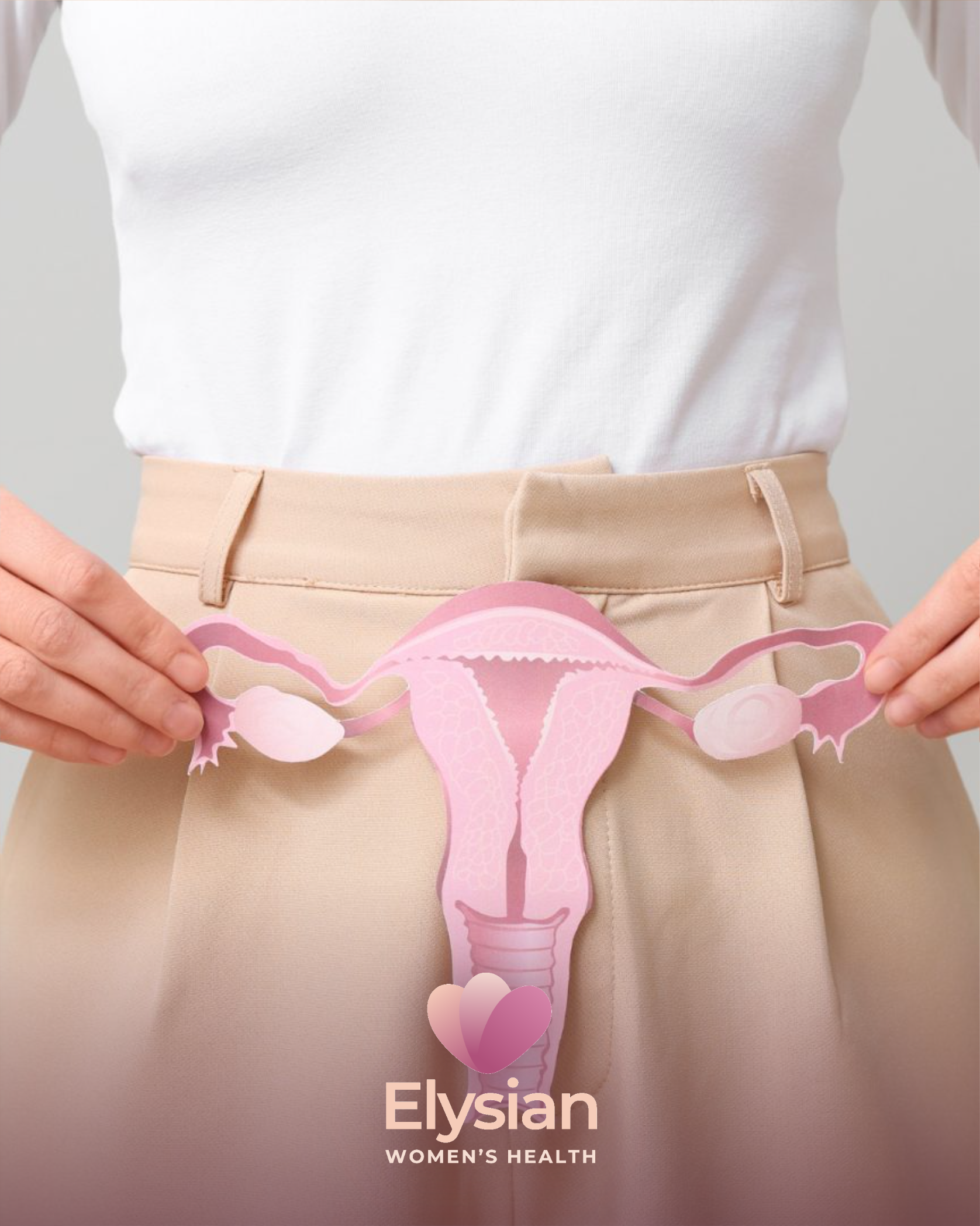
PCOS (Polycystic Ovary Syndrome) is often explained badly, or not at all. Many people are told they have "cysts" and left to work out the rest online.
The name is unhelpful — PCOS is a hormonal and metabolic condition, and the ovarian appearance on ultrasound is one feature, not the diagnosis.
This is why, in May 2026, the name changed to Polyendocrine Metabolic Ovarian Syndrome (PMOS) to better reflect the broader features and health implications of the condition.
Why was PCOS renamed to PMOS?
Polycystic ovary syndrome (PCOS) was renamed because the name was widely criticized as inaccurate and misleading. Ovarian cysts are not actually required for a PCOS diagnosis, and the old name failed to reflect the condition's broader endocrine and metabolic effects on the body. This inaccurate naming contributed to stigma, delayed diagnosis, and inconsistent care and research for the more than 170 million individuals affected worldwide.
Following a global consensus process, health experts and patient organizations agreed on a new name: polyendocrine metabolic ovarian syndrome (PMOS). Unlike PCOS, this name removes the misleading reference to ovarian cysts and more accurately reflects the condition's true, multisystem nature.
The renaming to PMOS aims to improve public awareness, speed up diagnosis, and strengthen both clinical care and research for the condition going forward.
What are the symptoms of PMOS?
Irregular, infrequent or absent periods, caused by ovulation issues
Skin and hair changes — acne, oilier skin, coarser hair growth, or hair thinning
Difficulty conceiving, or uncertainty about whether you are ovulating
Weight changes, and difficulty with weight despite consistent effort
Fatigue, mood changes and sleep disruption
Presentation varies a great deal. Some people have irregular cycles as their only feature; others have prominent skin and hair changes with regular periods.
How is PMOS diagnosed?
Against established criteria, using a combination of your cycle history, examination and clinical signs, and blood tests that both support the diagnosis and exclude other causes, such as thyroid conditions, elevated prolactin and other hormonal conditions that look similar. Ultrasound may be used, though in younger patients within a few years of their first period it is generally not required.
There is no single blood test for PMOS (formerly PCOS). Anyone offering one should be treated with caution.
What are the long-term health considerations?
PMOS is associated with insulin resistance and a higher long-term risk of type 2 diabetes, including gestational diabetes, as well as effects on cholesterol and blood pressure. Long gaps between periods also need attention for the health of the uterine lining.
None of this is inevitable, it is why periodic metabolic screening is part of good PMOS care rather than an afterthought.
What helps with PCOS/PMOS?
Management is built around what matters most to you right now: cycle regularity, skin and hair, fertility, or metabolic health. Typical components:
Nutrition and movement: sustainable changes that improve insulin sensitivity, planned with a dietitian rather than guessed at
Cycle management: hormonal options to regulate bleeding and protect the uterine lining
Symptom-directed treatment: for acne and unwanted hair growth
Metabolic screening: periodic glucose, cholesterol and blood-pressure checks
Fertility support: ovulation assessment and, where needed, referral for treatment
Mental health support: PMOS carries a real psychological load, and it is part of the picture
Can you get pregnant with PMOS?
Yes. Many people with PMOS conceive, some without assistance and some with support to encourage ovulation. If you are planning a pregnancy, an early conversation is worthwhile so cycle tracking, metabolic screening and preconception health can be organised together.
Frequently asked questions
-
PMOS is diagnosed against established clinical criteria using cycle history, clinical signs of higher androgen levels, and blood tests that exclude other causes. Ultrasound is used in some cases but is not required for everyone. Book an assessment at elysianwomenshealth.com.au.
-
PCOS is a manageable long-term condition rather than one that is cured. Symptoms can be well controlled with nutrition and movement, cycle management, symptom-directed treatment and regular metabolic screening, tailored to your goals at each life stage.
-
The exact cause is not fully understood. It involves an interaction between hormonal signalling, insulin resistance and genetic factors, which affects ovulation. It is not caused by anything you did, and it commonly runs in families.
Book an appointment now
elysianwomenshealth.com.au
1300 124 333
No referral needed for an initial assessment
