
Ovarian cysts — which are normal, which need monitoring, and when to seek review
Ovarian cysts are fluid-filled sacs that form on or within an ovary, and most are a normal part of the menstrual cycle that resolve without treatment. Some cysts cause pain, bloating or irregular bleeding, and a small number need monitoring or removal. Ultrasound is the main way cysts are assessed and followed up.
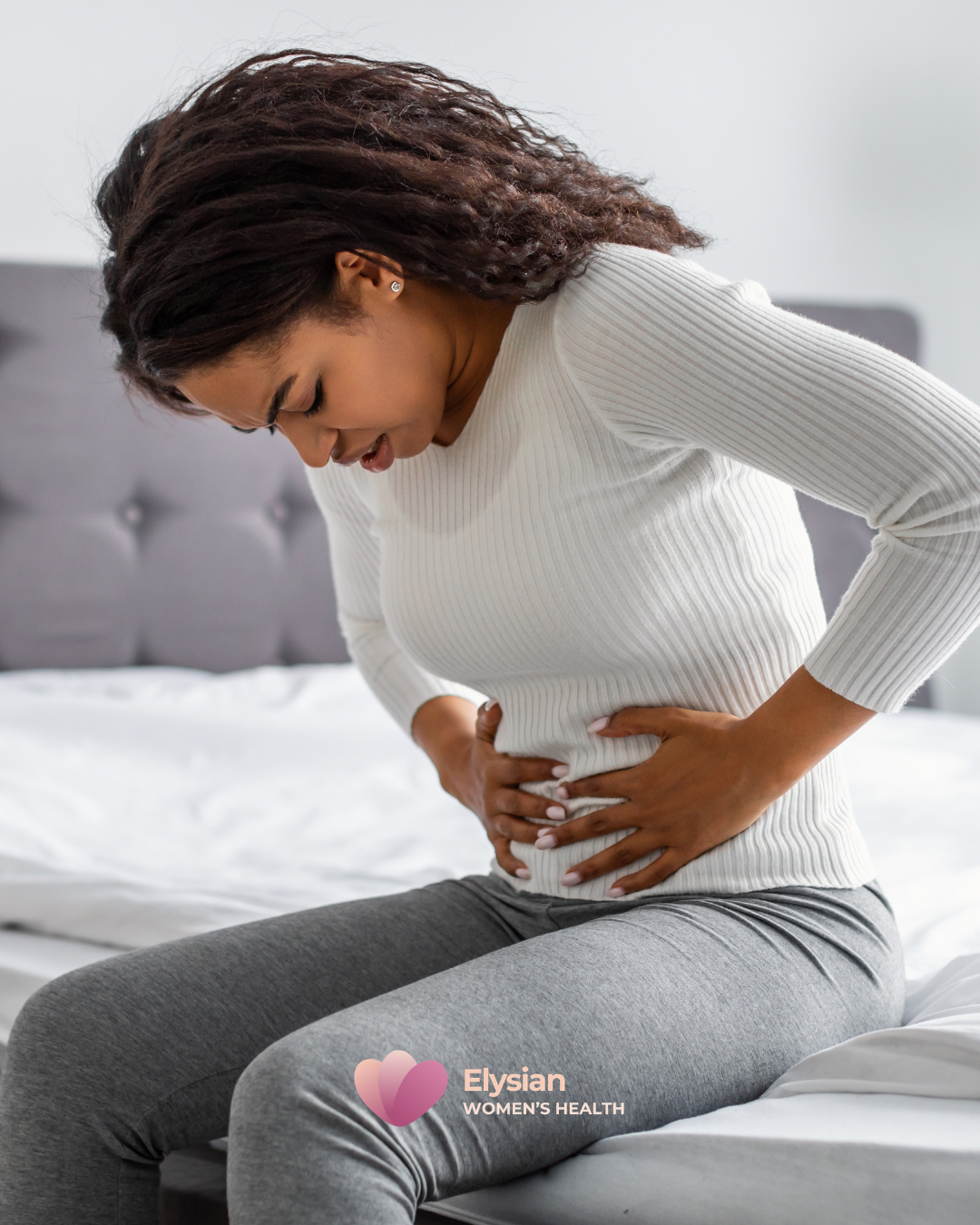
An ovarian cyst finding on ultrasound can sound alarming, but for most people it's a normal, temporary part of how the ovaries work each month. Understanding what different types of cysts mean — and which symptoms matter — takes away a lot of unnecessary worry.
What is an ovarian cyst?
A cyst is a fluid-filled sac that forms in or on an ovary. Most are “functional” cysts related to the normal cycle of egg release, forming and resolving within one or two cycles without any treatment.
The different types of cysts
Functional cysts — follicular or corpus luteum cysts, linked to ovulation, usually harmless and short-lived
Endometriomas — cysts formed by endometriosis tissue within the ovary
Dermoid cysts — present from birth, containing tissue such as hair or fat, usually benign
Cystadenomas — benign cysts arising from ovarian surface cells, which can grow large
Polycystic-appearing ovaries — multiple small follicles seen with PCOS, not the same as true cysts
What symptoms can a cyst cause?
Pelvic pain or pressure, often one-sided
Bloating or a feeling of fullness
Pain during sex
Irregular periods
Sudden, severe pain — a possible cyst rupture or ovarian torsion, needing urgent review
Many cysts, especially small functional ones, cause no symptoms at all and are found incidentally.
Diagnosis and monitoring of ovarian cysts
Pelvic ultrasound is the main tool, assessing size, appearance and whether a cyst looks simple (fluid-filled) or complex (with solid components).
Blood tests are sometimes used alongside imaging, particularly in postmenopausal women or where the appearance raises questions.
Many cysts are simply followed with a repeat ultrasound in 6 to 12 weeks to confirm they've resolved.
When a cyst needs treatment
Persistent, complex or growing cysts may be referred for further assessment or removal
Cysts causing ongoing pain or affecting fertility may be considered for surgery
Cysts in postmenopausal women are assessed more closely
Sudden severe pain warrants same-day review to exclude torsion or rupture
Do ovarian cysts affect fertility?
Most functional cysts have no impact on fertility. Endometriomas can affect ovarian reserve and may be discussed alongside fertility planning. Bringing any known cyst history into a preconception conversation helps your plan stay coordinated.
When should you see a doctor?
See a doctor for pelvic pain that's new, persistent or worsening; sudden severe one-sided pain; bloating that doesn't settle; or if a cyst has been found and you're unsure what monitoring is planned.
Frequently asked questions
-
Most ovarian cysts are harmless, related to the normal menstrual cycle, and resolve without treatment. A small number are complex or persistent and need further monitoring or removal. Sudden severe pain should always be assessed promptly.
-
Ovarian cysts are usually diagnosed and monitored with pelvic ultrasound, which assesses size and appearance. Blood tests may be used alongside imaging in some situations. Book an assessment at elysianwomenshealth.com.au.
-
Most functional cysts don't affect fertility. Endometriomas can affect ovarian reserve and are worth discussing as part of preconception planning.
Book an appointment now
elysianwomenshealth.com.au
1300 124 333
No referral needed for an initial assessment
